Every job site has its own mix of airborne hazards, from concrete dust to mine site particulates to ICI construction fumes. Choosing the correct 3M respirator is always about matching the respirator, and its filter or cartridge, to the specific hazard on that job.
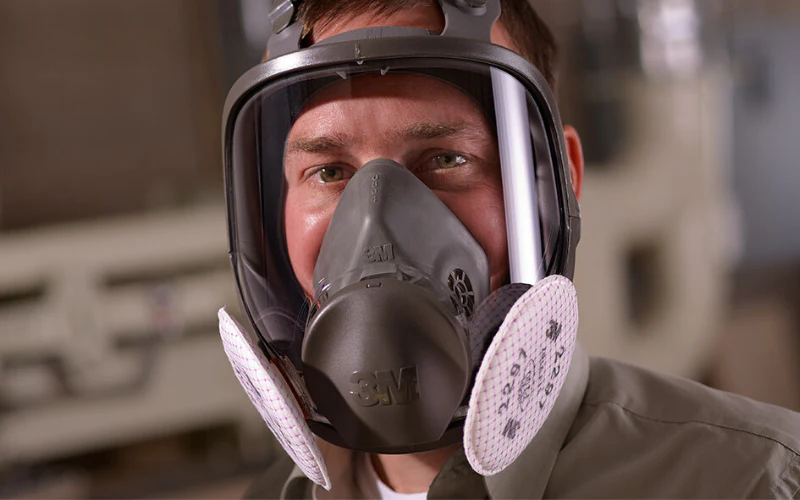
This guide breaks down respirator selection by task, so contractors and workers across Northern Ontario and northwestern Quebec can choose the right protection with confidence. Total Tools & Supplies carries a full range of 3M respirators, filters, and cartridges to support these jobs, including the 3M 6100, 6200, and 6300 half facepiece respirators, the 3M 6501QL Rugged Comfort Quick Latch half facepiece, the 3M 6900 full facepiece respirator, and 3M N95 particulate respirators.
Why the Right Respirator Matters on the Job
Respirators protect against two general categories of airborne hazards: particulates, such as dust and fibers, and chemicals, such as gases and vapours. A respirator built for one category will not necessarily protect against the other. For example, a standard N95 respirator filters particulates only and will not protect against organic vapours from paint or solvents.
This is why job type matters when selecting PPE. The right choice depends on what is actually in the air, not on habit or what was used last time.
Step 1: Assess the Hazard Before You Choose
Identify What Is in the Air
Before selecting a respirator, confirm what hazards are present and how concentrated they are. A formal hazard assessment of the job site, or a review of the Safety Data Sheet (SDS) for the materials in use, can help identify these hazards. Once the hazard is known, the 3M Respirator Selection Guide can help narrow down the correct model.
Understand the Assigned Protection Factor (APF)
The Assigned Protection Factor (APF) indicates how much protection a respirator provides against a given hazard level. Most disposable and half facepiece respirators carry an APF of 10, meaning they are rated for hazard concentrations up to 10 times the occupational exposure limit. Above that threshold, a higher level of protection is required, such as a PAPR, a supplied air respirator, or a full facepiece respirator with a quantitative fit test. In Canada, selection should also follow CSA Standard Z94.4 and any applicable provincial occupational health and safety requirements.
Disposable vs Reusable Respirators: What Is the Difference?
| Disposable Respirators | Reusable Respirators | |
|---|---|---|
| Primary function | Particulate filtration only (dust, debris, mists, fibers) | Multi-hazard protection, including particulates, gases, and vapors |
| Gas or vapour protection | Generally no, aside from nuisance level odour relief in some models | Yes, through interchangeable cartridges |
| Design | Single piece, worn until discarded | Two part system with a reusable facepiece and swappable filters or cartridges |
| Best suited for | Short duration, single hazard tasks | Repeated use across multiple job types and hazards |
Disposable respirators, such as 3M N95 particulate respirators, are a practical choice for short, low hazard tasks. Reusable respirators, such as the 3M 6100, 6200, 6300, 6501QL, or 6900, offer more flexibility because the filter or cartridge can be changed to match the hazard at hand.
3M Respirator Recommendations by Job
Concrete Cutting and Demolition Work
Cutting, grinding, or breaking concrete generates fine silica dust, which is a serious respiratory hazard when inhaled over time. For short, light duty cutting tasks, a 3M N95 particulate respirator can provide adequate protection against non-oil based dust. For heavier, longer duration concrete work, a half facepiece reusable respirator, such as the 3M 6100, 6200, or 6300, paired with a P100 particulate filter, provides a higher level of protection and a more secure seal.
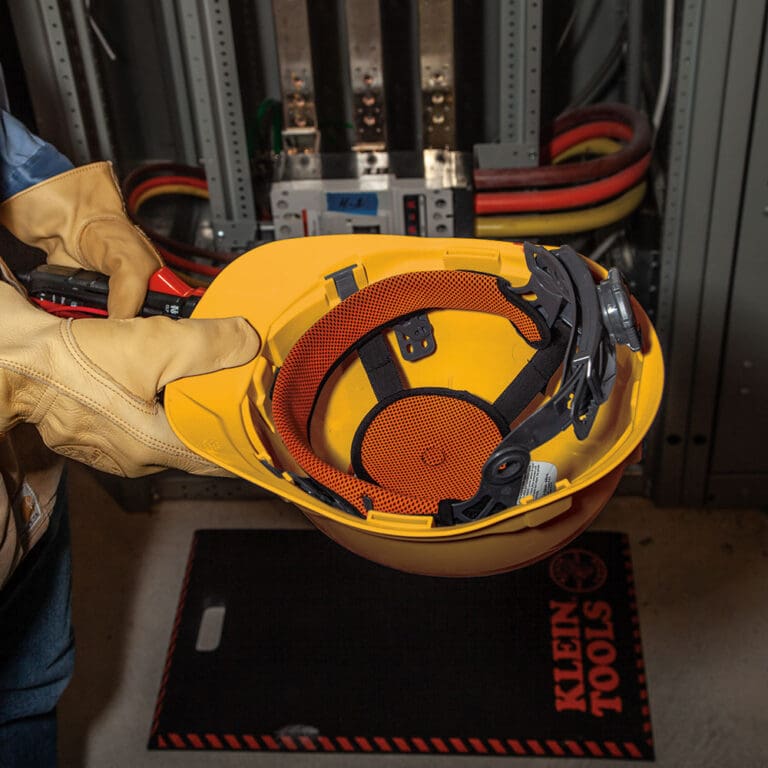
Because demolition and concrete work often involve hard hats, safety glasses, and face shields, fit is especially important. A respirator that does not sit properly under other PPE will not seal correctly, regardless of its filter rating.
Mining and Underground Operations
Mining and underground work exposes crews to fine ore dust, silica, and diesel particulate matter from vehicles and equipment operating in enclosed spaces. For most surface and near surface tasks, a half facepiece reusable respirator, such as the 3M 6100, 6200, or 6300, paired with a P100 particulate filter, provides reliable protection against these particulates. Underground environments with limited ventilation or higher hazard concentrations may call for a higher level of protection, such as a powered air purifying respirator (PAPR) or supplied air system, based on the site’s hazard assessment.
Because mining PPE often includes cap lamps, hard hats, and hearing protection in addition to a respirator, fit testing should account for the full combination of equipment worn on site.
ICI Construction (Industrial, Commercial, and Institutional)
ICI construction sites often involve several trades working on different tasks over the course of a shift, such as drywall installation, insulation, adhesive application, and light coating work. Hazards on these sites can shift from particulates to organic vapours depending on the material being used, so it is important to confirm the hazard for each task through the product’s SDS.
A half facepiece reusable respirator, such as the 3M 6501QL Rugged Comfort Quick Latch, is well suited to this kind of varied work because the cartridge can be swapped between a particulate filter and an organic vapour or combination cartridge as the task changes. The quick latch design also makes it easier to put on and take off between tasks, which helps workers wear it consistently throughout a shift rather than leaving it off due to inconvenience.
General Construction Dust and Light Duty Tasks
Everyday tasks such as sweeping, light sanding, or drywall work usually produce nuisance level dust rather than high concentration hazards. In these cases, a 3M N95 particulate respirator is generally sufficient. These disposable respirators are cost effective for short tasks and do not require the maintenance associated with reusable models.
It is still important to confirm, through a hazard assessment or SDS review, that the dust involved is non-oil based and that no chemical hazard is present before relying on an N95 alone.
Choosing the Right Half Facepiece Size: 6100, 6200, and 6300
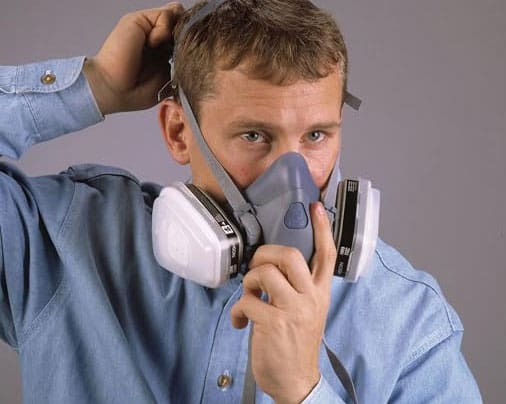
The 3M 6100, 6200, and 6300 are part of the same half facepiece respirator line, and the main difference between them is size, not function.
- 3M 6100: Small size half facepiece respirator
- 3M 6200: Medium size half facepiece respirator
- 3M 6300: Large size half facepiece respirator
All three use the same style of interchangeable filters and cartridges, so the choice comes down to which size provides a secure, comfortable seal on the wearer’s face. A respirator that is too large or too small will not seal properly, even if it is otherwise the correct type for the job. This is why fit testing across sizes is recommended before assigning a specific model to a worker.
Matching Filters and Cartridges to the Hazard
Reusable respirators only work correctly when paired with the right filter or cartridge. Using the wrong one can leave a worker unprotected even while wearing a properly fitted respirator.
Particulate Filters and NIOSH Ratings
Particulate filters are classified by NIOSH into three series, each with an efficiency rating:
- N Series: For particulate environments without oil aerosols, common in general industrial applications.
- R Series: Effective against oil and non-oil particles, with manufacturer specified time limits on use.
- P Series: Also effective against oil and non-oil particles, with a longer usable life than R series filters, though still subject to manufacturer guidelines.
Each series is rated at 95 percent, 99 percent, or 100 percent (99.97 percent) filtration efficiency, which is where designations like N95 and P100 come from.
Organic Vapour Cartridges
Organic vapour cartridges are identified by a black label and are used for hazards with a sweet or fragrant odour, such as paints, stains, and varnishes. These cartridges are commonly used for coating, adhesive, and finishing work, including many ICI construction tasks.
Acid Gas and Combination Cartridges
Acid gas cartridges, often labeled yellow when combined with organic vapour protection, are used for hazards that cause irritation to the eyes and nose rather than a noticeable odour, such as chlorine or hydrogen chloride. Combination cartridges that address both organic vapours and acid gases, along with a P100 particulate filter, are often used for full facepiece respirators on mixed hazard jobs.
Not every airborne chemical can be filtered mechanically. Some highly volatile or hazardous chemicals require a fully sealed supplied air system instead of a cartridge based respirator.
A Common Mistake to Avoid
One of the most frequent errors on job sites is using a particulate only respirator, such as an N95, in an environment with organic vapors or gases. Always confirm the hazard type before selecting a filter or cartridge, and check the label and packaging to confirm what it is rated to protect against.
Fit Testing and Daily Seal Checks
A respirator only works if it fits correctly. If air can bypass the filter media around the edges of the facepiece, the respirator is not providing protection, regardless of its rating. Every time a respirator is put on, the wearer should perform a seal check according to the manufacturer’s instructions.
Fit testing should also account for other PPE worn at the same time, such as safety glasses, face shields, or hard hats, since these can affect how a respirator sits on the face.
Cleaning, Storage, and Maintenance
Reusable respirators require ongoing care to remain effective:
- Wash the facepiece with mild soap and water after each use.
- Store the respirator in a clean, dry location to avoid contamination between uses.
- Replace filters and cartridges on a regular schedule, and replace them immediately if breathing becomes difficult or if a chemical odour or taste is detected.
- Replace worn components, such as straps or face shield covers on full facepiece models, to extend the working life of the respirator.
Does Total Tools & Supplies carry the full range of 3M respirators discussed in this guide?
Yes. Total Tools & Supplies stocks 3M half facepiece respirators including the 6100, 6200, and 6300, the 6501QL Rugged Comfort Quick Latch half facepiece, the 6900 full facepiece respirator, 3M N95 particulate respirators, and a range of compatible filters and cartridges.
Does Total Tools & Supplies work with contractors and industrial accounts on ongoing PPE needs?
Yes. Total Tools & Supplies serves contractors, industrial accounts, and trades across Northern Ontario and northwestern Quebec, and can support recurring orders for respirators, filters, and other PPE. Contact your nearest branch to set up an account or discuss ongoing supply needs.